
Why is MSV so confusing?
I’ve worked with thousands of teachers over the years and the one thing that throws all of us for a loop is analyzing Running Records. Why? Because it’s hard! But just because it’s a challenge doesn’t mean that we can’t get better at it. Of course we can! With practice and coaching teachers can do anything. And that includes getting better with MSV analysis.
But what is MSV anyway? If you’re new to Running Records assessment, or just want a refresher, MSV is an acronym that teachers use to help them analyze the 3 sources of information we look for when we analyze a Running Record. M stands for Meaning. S stands for Structure. V stands for Visual. Allow me to explain…
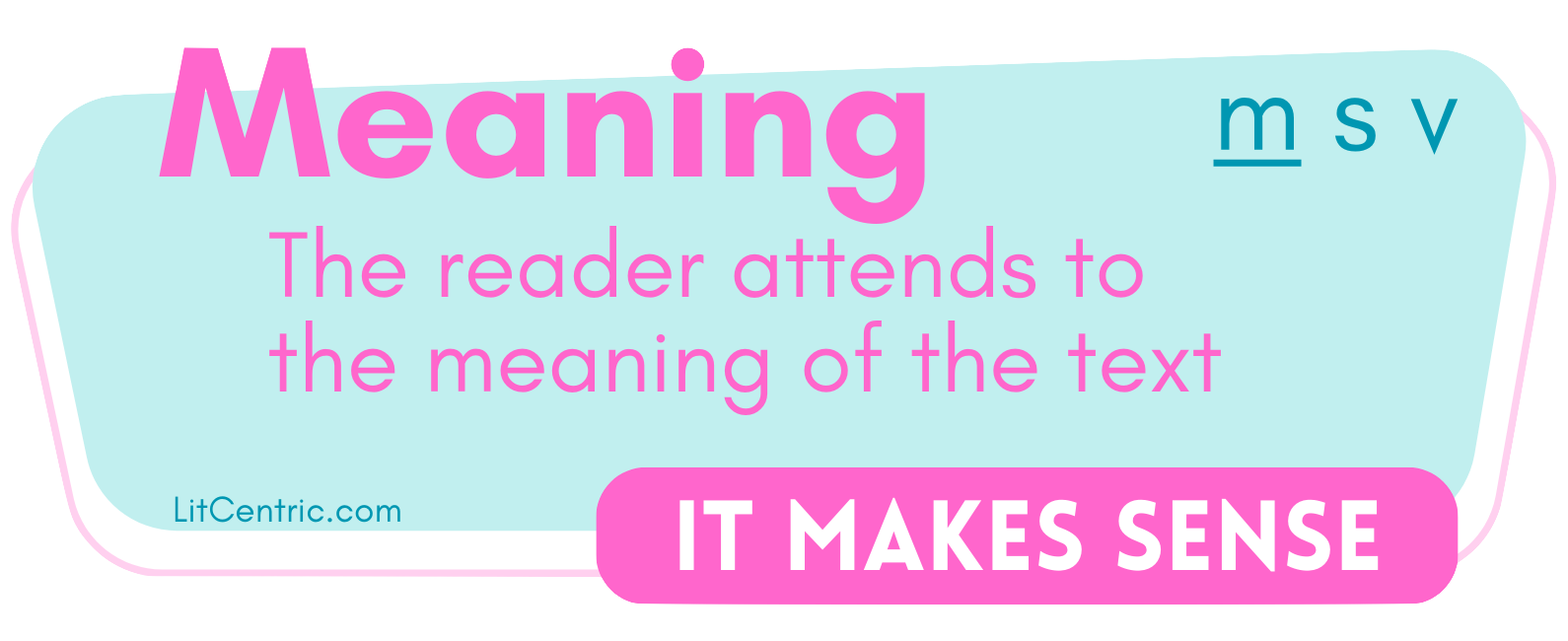 While readers read they are constantly checking to see if what’s on the page makes sense to them. Sometimes we make mistakes while reading and we insert the wrong word or miss something we should have read, for example. One of the ways we catch ourselves is by realizing that what we just read doesn’t make any sense to us. Here’s an example. The text says: We went to the park. But the student read: We went to the popcorn. What the student read doesn’t make sense because a popcorn isn’t a destination, so an error must have occurred. Now the student has the opportunity to go back and figure out where the mistake was and fix it by replacing it with the accurate word that makes sense.

While readers read they are constantly checking to see if what’s on the page is grammatically correct. We need to ask ourselves, is that the way we say that in English (or whatever language you happen to be reading in)? If the words don’t sound right then an error in structure might be to blame. Here’s an example. The text says: We went to the park. But the student read: We goed to the park. What the student read doesn’t sound right because the past tense of go isn’t goed, it’s went, so an error occurred.
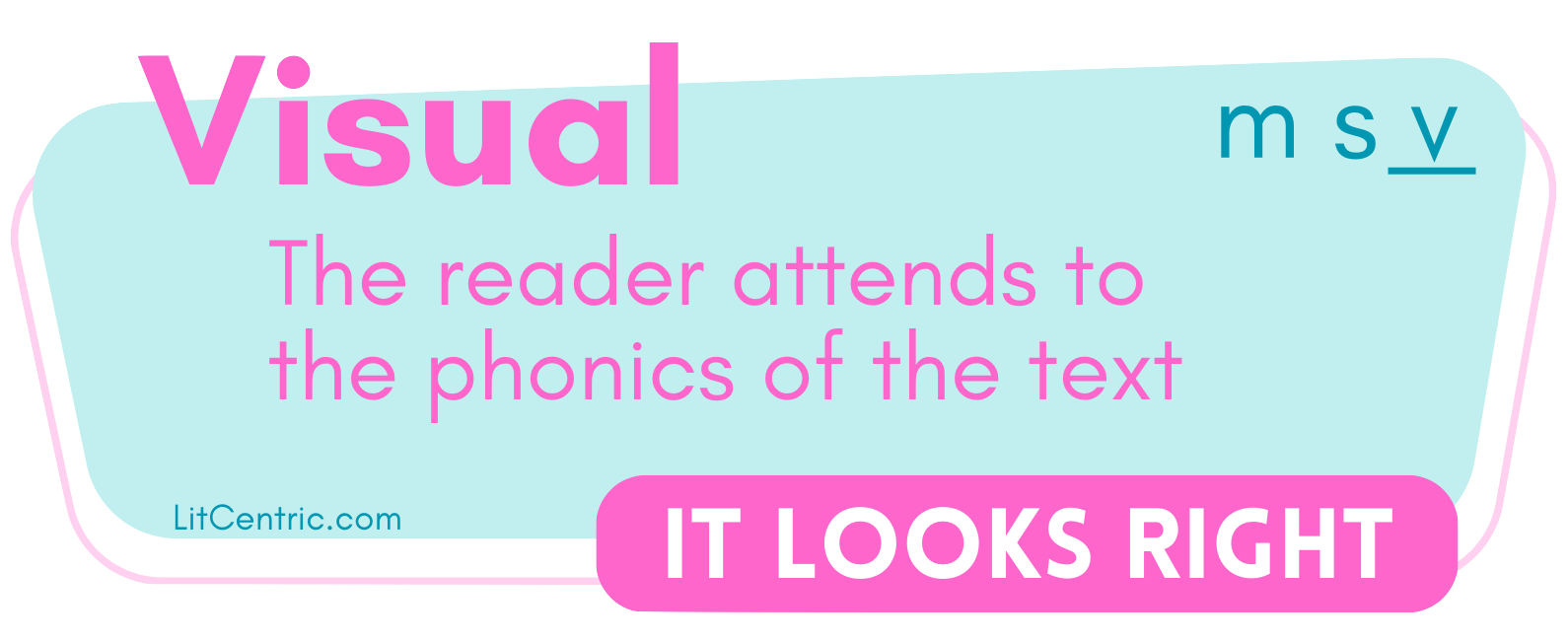
While readers read they are constantly checking to see if what’s on the page is visually correct. The words that come out of a reader’s mouth (or that are read in the head) should have sounds that match those on the page. In other words, readers need to be decoding accurately. Here’s an example. The text says: We went to the park. But the student read: We went to the pool. What the student read doesn’t look right because the sounds needed for the word park aren’t the same as the sounds needed for the word pool. What is similar, though, is that both words start with p and both are the same length. Depending on the reading level, this information can provide information about how well the student uses visual information while reading.
Now, here’s the tricky part…
When we read we often integrate different sources of information. In other words, we use more than one source of information at a time. This is called cross-checking, and it’s an important behavior we want to promote in our student readers. Here’s an example we used previously. The text says: We went to the park. But the student read: We went to the pool. Let’s say that the story was about kids going to a water park that included slides, rafts, and splash pads. With illustrations like these it’s reasonable that a student was thinking about pools while reading. So the response could indicate that the student used visual information (albeit limited) because park and pool start with the same sound and are the same length. And it could also indicate that the student used meaning information because the setting at a water park, and the aquatic illustrations, support the idea of a pool as the destination in the story.
This is not to say that we want students to make these kinds of mistakes, or that we aren’t going to respond to them in some way. This is a criticism I sometimes hear or read about from those in the literacy field who try to discredit Running Records as a valid tool for assessing reading. Honestly, I can see where they’re coming from in some ways because Running Records are only as good (useful, accurate, illuminating, instructive) the teacher using them. It takes a lot of training, practice, and expertise to analyze Running Records and translate this analysis to responsive instruction that matches immediate student needs. Unfortunately, not all of us have had professional learning experiences to support our own growth as teachers of reading (if this sounds like your experience keep reading!).
On the other hand, I’ve seen assessments that focus on only one aspect of reading (like decoding) get administered and analyzed incorrectly and inconsistently which leads to poorly understood instructional implications and inferior learning experiences for students. My point is (I’m getting to it I promise) is that assessments are all designed for specific purposes and are all subject to the biases and misinterpretations of we humans who use them. Is that ideal? No. Is it reality? Yes. Even computer-based assessments fall prey to these issues. After all, humans designed those assessment tools and analysis protocols too.
A key takeaway for all of us is to be sure that everyone who works with students receives training in the administration and analysis of all the assessment tools we use. When our assessment literacy improves then our instructional choices do too. That’s what Running Records have done for me. There’s no other assessment that has improved my teaching more than when I learned all that Running Records had to offer. That’s what I want for you too!
So how can we make all of this a little easier?
The key is in reframing how we think about the evidence of reading behaviors that our students provide.
We want to take an asset-based approach when we evaluate student reading with Running Records. This means that we look for the actions the student took, not what the student didn’t do or what skills they may not yet possess. By determining the sources of information the student used when they made an error we get some insight into how they’re using those sources of information to help them read. And when we see patterns across a Running Record, and across several Running Records, we get a better picture of how effectively the student reads and how we can best help them improve.
Think you need to freshen up your MSV analysis skills? You’re in good company! It’s hard, right? But it can get easier with the right training and coaching. Join me in my Running Record Boot Camp! It’s the online course I always wished I’d had when I was learning to analyze my Running Record data. We go in depth to score and analyze accurately and think through how this impacts our instruction so that all our readers can grow. Plus you’ll learn from hundreds of comments, questions, and answers left by others in the course. Join us!